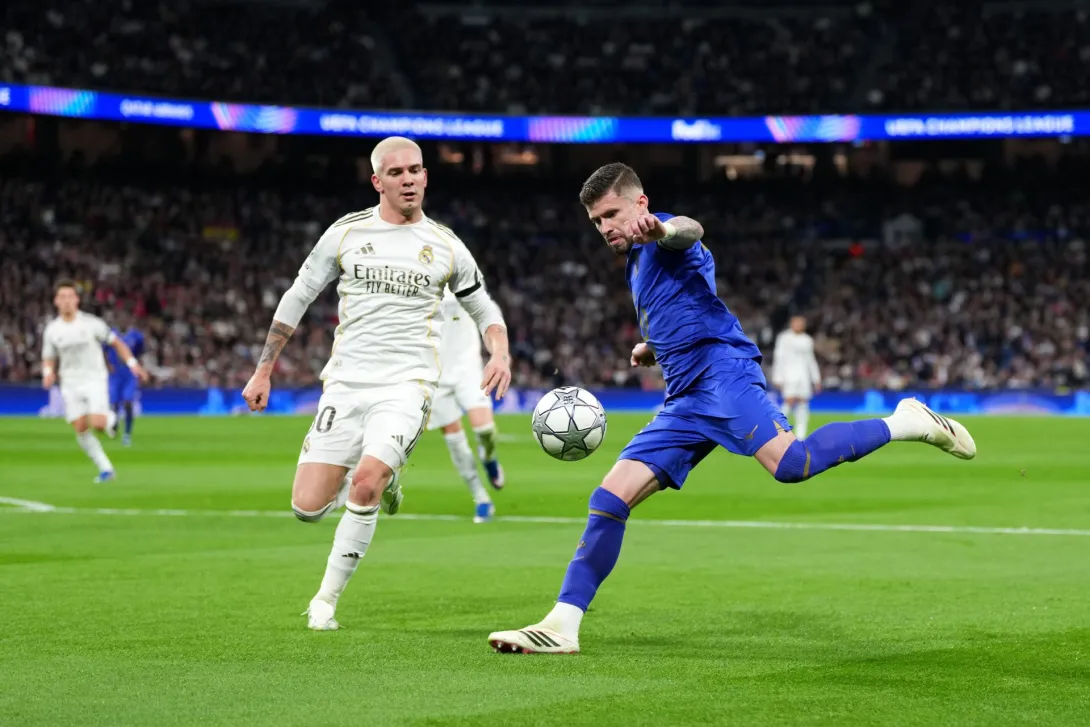
FC Barcelona are reassessing their summer transfer strategy amid growing uncertainty surrounding João Cancelo. While the Portuguese full-back remains a top priority, complications tied to his loan structure and financial demands have forced the club to explore alternative options. Currently on loan from Al-Hilal, Cancelo’s potential permanent transfer hinges on negotiations that could involve a substantial fee and complex wage considerations. As Barcelona navigates financial constraints, the situation underscores broader challenges in balancing squad reinforcement with fiscal discipline in modern football.
Transfer Strategy Under Financial Pressure
Barcelona’s approach to the upcoming transfer window reflects a delicate balancing act between ambition and financial prudence. The Catalan club continues to prioritize strengthening key positions, with João Cancelo identified as a crucial asset due to his versatility and attacking contributions from defense.
However, the club’s financial framework—already under scrutiny in recent seasons—limits its flexibility in high-value negotiations. This constraint has made the Cancelo deal increasingly complex, prompting internal discussions about contingency planning.
Loan Structure Complicates Permanent Move
At the center of the issue is Cancelo’s current contractual arrangement. The Portuguese defender is on loan from Al-Hilal, a club with significant financial leverage. Any attempt to secure a permanent transfer is expected to require a substantial fee, reflecting both the player’s market value and the selling club’s negotiating position.
In addition to the transfer fee, Cancelo’s personal financial terms could pose further challenges. Wage demands and contract length are critical variables that Barcelona must reconcile within its budgetary framework, making the deal far from straightforward.
Contingency Planning and Market Alternatives
Faced with these uncertainties, Barcelona have begun identifying alternative targets. This proactive approach is indicative of a broader shift in transfer strategy, where clubs increasingly prepare parallel options to mitigate risk.
By expanding their shortlist, Barcelona aim to ensure that squad planning remains on track even if negotiations for Cancelo stall. Such flexibility is essential in a competitive transfer market, where delays can lead to missed opportunities.
Financial Discipline Meets Sporting Ambition
From a business perspective, Barcelona’s situation highlights the ongoing tension between financial sustainability and competitive success. The club’s recent efforts to stabilize its finances have necessitated a more cautious approach to player acquisitions.
Investments must now deliver both immediate impact and long-term value, a criterion that influences every transfer decision. While Cancelo fits the sporting profile, the financial implications of his signing require careful evaluation.
Implications for the Summer Window
As the transfer window approaches, Barcelona’s handling of the Cancelo situation will serve as a test of its strategic discipline. Successfully negotiating a deal would reinforce the club’s ability to compete at the highest level, while failure to do so would shift focus toward alternative reinforcements.
Either outcome underscores a broader reality: in modern football, transfer success is as much about financial engineering as it is about talent acquisition. For Barcelona, the coming months will be निर्णive in shaping both their squad and their economic trajectory.
Comments