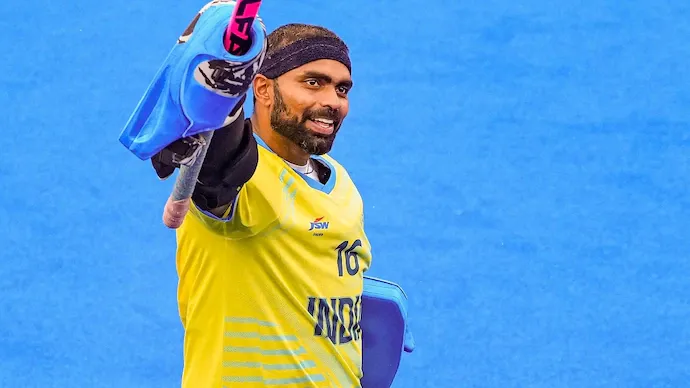
Former India goalkeeper PR Sreejesh has publicly raised concerns over the functioning and long-term planning of Indian hockey administration following his contentious departure from the junior men’s team setup. The veteran athlete questioned the lack of structural clarity surrounding Hockey India’s proposed development squad, highlighting the absence of a defined player pool, competitive roadmap, and tournament calendar. His remarks have triggered wider discussions about governance, athlete management, and succession planning within Indian hockey. The controversy also underscores the growing importance of institutional transparency in modern sports administration, particularly as India seeks to strengthen its reputation as a globally competitive hockey nation through sustainable talent development systems.
PR Sreejesh Raises Governance Concerns Within Indian Hockey
Indian hockey has entered a fresh phase of administrative scrutiny after former national goalkeeper PR Sreejesh publicly questioned the operational direction of the country’s hockey administration following his controversial exit from the junior men’s team structure.
Sreejesh, regarded as one of the most influential figures in modern Indian hockey, expressed concern over what he described as a lack of strategic clarity surrounding the federation’s proposed development team model.
According to his remarks, there appeared to be no clearly defined player pool, structured competition pathway, or tournament roadmap for the developmental setup — factors widely considered essential for nurturing elite athletes in contemporary international sport.
The comments have intensified debate around governance standards and long-term planning within Indian hockey at a time when the sport is attempting to consolidate recent international progress.
Development Structure Under Scrutiny
At the center of the controversy lies Hockey India’s reported plan to establish a development-oriented team framework intended to strengthen the talent pipeline for the senior national side.
However, Sreejesh questioned the operational preparedness of the initiative, arguing that the absence of structural definition could undermine its effectiveness before implementation even begins.
Sports development experts have increasingly emphasized that modern athlete progression systems require clear identification pathways, age-group integration, tournament exposure, and performance benchmarks to succeed.
Without these components, developmental programs often struggle to deliver continuity or produce athletes capable of transitioning effectively into elite international competition.
Sreejesh’s criticism therefore extends beyond personal disagreement and touches on broader concerns regarding institutional planning and execution within Indian sport.
Timing of the Dispute Raises Broader Questions
The controversy arrives at a sensitive period for Indian hockey, which has witnessed significant resurgence on the global stage over the past several years.
India’s strong performances at major international tournaments, combined with the revival of franchise-based competitions and increased commercial investment, have contributed to renewed optimism surrounding the sport’s future.
Against this backdrop, public criticism from a respected figure such as Sreejesh carries added significance. His stature within Indian hockey lends weight to concerns regarding communication gaps, administrative transparency, and succession planning.
Analysts note that disputes involving elite former players often expose deeper institutional tensions related to governance models, role clarity, and strategic direction.
Importance of Structured Talent Development
Modern high-performance sport increasingly depends on long-term talent identification and scientifically managed athlete progression systems. Nations that consistently succeed at the international level generally maintain structured development pathways extending from grassroots programs to senior elite competition.
In hockey, development squads play a critical role in bridging the gap between junior and senior international levels. Such systems typically require detailed scheduling, dedicated coaching support, exposure tours, and performance tracking frameworks.
Sreejesh’s remarks appear to question whether sufficient groundwork has been completed to make the proposed development structure function effectively.
Sports administrators and analysts argue that poorly defined transitional systems can create uncertainty for emerging athletes and weaken long-term squad depth — an issue particularly relevant in a sport as physically and tactically demanding as modern hockey.
Governance and Communication Become Central Issues
Beyond technical concerns, the episode has also highlighted the importance of communication and transparency within sports administration.
In recent years, Indian sports governance has undergone significant modernization, with greater emphasis on professionalism, accountability, and athlete welfare. However, controversies involving administrative decisions continue to expose occasional gaps between policy intent and implementation.
Experts believe clearer communication between federations, coaching staff, and former players is essential to maintaining institutional credibility and stakeholder confidence.
The situation also reflects a broader challenge faced by many sporting bodies worldwide: balancing administrative authority with the insights and expectations of experienced athletes who have contributed significantly to the sport’s growth.
Sreejesh’s Legacy Adds Weight to the Debate
As one of India’s most decorated and respected hockey players, Sreejesh’s views carry substantial influence within the sporting community.
Over the course of his international career, he played a defining role in India’s resurgence in global hockey and became synonymous with the team’s defensive resilience during several major tournaments.
His criticism is therefore likely to resonate not only among players and coaches but also among policymakers and supporters who view athlete experience as a valuable resource in shaping future sporting structures.
The controversy may ultimately push Hockey India toward providing greater clarity regarding its developmental plans and long-term athlete management strategy.
Institutional Stability Will Be Critical for Future Growth
India’s hockey ecosystem is currently undergoing a transformative phase marked by increased commercial opportunities, improved infrastructure, and growing international competitiveness.
However, sustaining that momentum will depend heavily on institutional stability, strategic planning, and transparent governance practices.
The concerns raised by Sreejesh serve as a reminder that sporting success is not determined solely by performances on the field but also by the effectiveness of the administrative systems operating behind the scenes.
As Indian hockey continues its effort to establish itself among the sport’s global leaders, the ability to build coherent development structures and maintain stakeholder trust may prove just as important as winning tournaments.
Comments