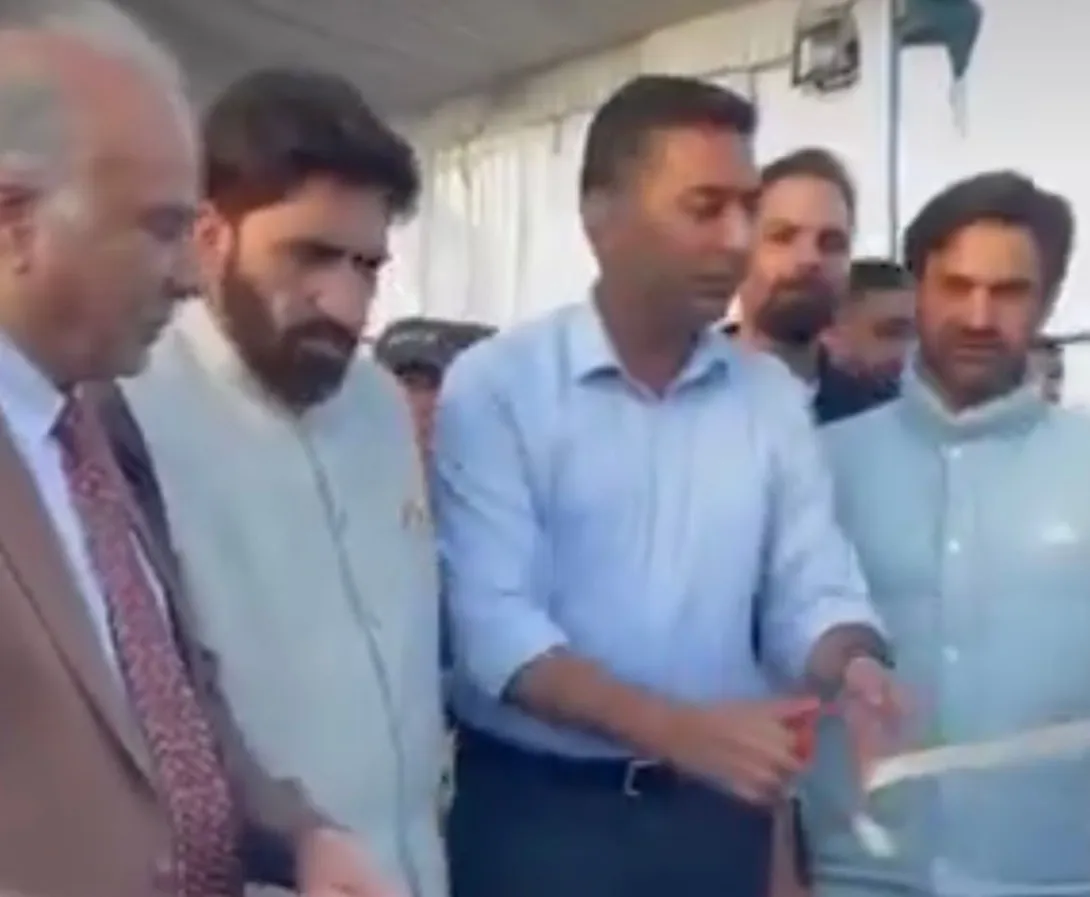
The inauguration of the Pulwama Kabaddi League marks a renewed emphasis on grassroots sports development in Pulwama, with senior officials highlighting the socio-economic and cultural value of traditional games. Led by Shahid Iqbal Choudhary, the initiative brings together eight teams competing for the league title over a week. Beyond competition, the event underscores the strategic role of sports in youth engagement, community building, and regional development. As India continues to invest in sports ecosystems, localized leagues like this signal a broader shift toward inclusive growth and talent cultivation at the grassroots level.
A Strategic Push for Grassroots Sports Development
The launch of the Pulwama Kabaddi League represents a focused effort to strengthen sports infrastructure at the grassroots level. Inaugurated by Commissioner Secretary Youth Services and Ports Shahid Iqbal Choudhary, alongside local legislators and officials from the Jammu and Kashmir Sports Council, the league is positioned as both a competitive platform and a developmental initiative.
Such tournaments are increasingly seen as critical building blocks in India’s sports ecosystem, particularly in regions where access to structured training and exposure has historically been limited.
Reviving Tradition Through Competitive Sport
Kabaddi, one of India’s oldest indigenous sports, holds deep cultural significance. By organizing a formal league structure, authorities aim to preserve this heritage while adapting it to modern competitive frameworks.
Choudhary emphasized that kabaddi instills discipline, teamwork, and resilience—qualities that extend beyond sport into broader societal development. The participation of eight teams reflects growing local enthusiasm and provides a structured pathway for young athletes to showcase their abilities.
This blending of tradition with organized competition aligns with national efforts to elevate indigenous sports onto larger platforms.
Youth Engagement and Social Impact
At its core, the Pulwama Kabaddi League is as much a social initiative as it is a sporting event. Engaging youth in structured activities helps channel energy into productive avenues, reducing social vulnerabilities and fostering community cohesion.
From an economic perspective, such events also generate localized activity, including employment opportunities, small-scale commerce, and increased public engagement. While the financial scale may be modest compared to national leagues, the long-term impact on human capital development is significant.
Institutional Backing and Policy Alignment
The involvement of the Jammu and Kashmir Sports Council highlights the role of institutional support in driving regional sports initiatives. Government-backed programs are increasingly focusing on decentralization, ensuring that smaller districts receive attention alongside major urban centers.
This approach aligns with broader policy frameworks aimed at expanding India’s talent pool. By nurturing athletes at the grassroots level, authorities are laying the foundation for future representation in state, national, and potentially international competitions.
Economic and Developmental Implications
Localized leagues such as the Pulwama Kabaddi League contribute to the gradual formalization of India’s sports economy. They serve as entry points for talent identification, sponsorship exploration, and community-driven investment.
Over time, consistent आयोजन and improved infrastructure could attract private sector participation, enhancing financial sustainability. Additionally, the promotion of traditional sports offers branding opportunities that resonate with cultural identity, a valuable asset in India’s diverse market landscape.
Conclusion: Building Communities Through Sport
The Pulwama Kabaddi League is more than a week-long competition—it is a reflection of how sport can function as a catalyst for social cohesion and economic development. By investing in youth engagement and preserving traditional games, policymakers are reinforcing the role of sports as a tool for inclusive growth.
As India’s sports ecosystem continues to evolve, initiatives like this demonstrate that meaningful progress often begins at the grassroots, where talent, culture, and community intersect to shape the future of the nation’s athletic ambitions.
Comments