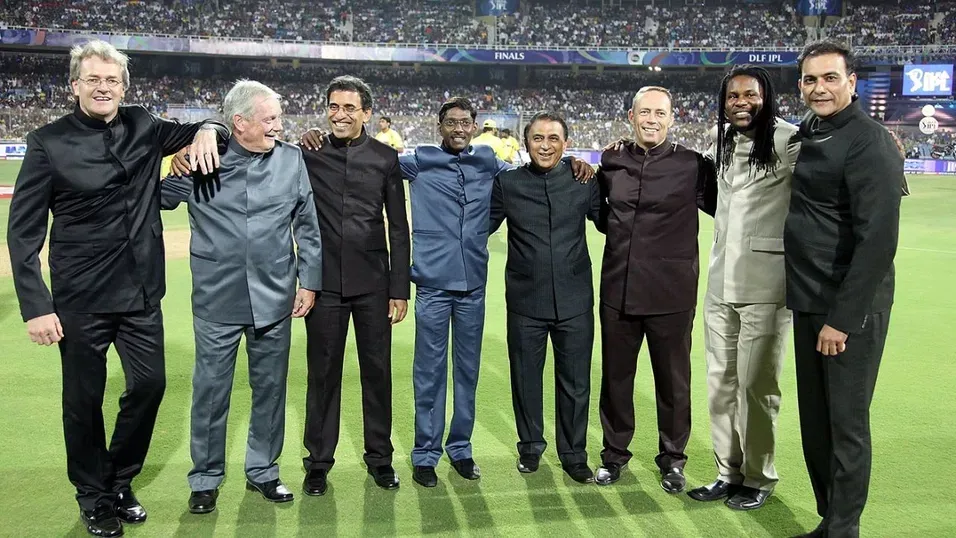
Former Indian cricketer and commentator Laxman Sivaramakrishnan has spoken publicly about allegations of racism that surfaced during discussions surrounding cricket commentary and player criticism. The remarks have sparked debate within the Indian Premier League ecosystem and the broader cricket community, highlighting tensions around commentary standards, cultural sensitivity, and public accountability. Sivaramakrishnan firmly rejected the accusations, asserting that his observations were based purely on cricketing analysis rather than personal bias. The controversy underscores the increasing scrutiny faced by commentators and analysts in the era of social media, where remarks made during matches can rapidly escalate into broader debates about ethics, fairness, and professionalism.
Controversy Emerges in Cricket Commentary Circles
A debate over racism and professional conduct has recently drawn attention within cricket’s media ecosystem, centering on comments made by former India international Laxman Sivaramakrishnan.
The former leg-spinner, who transitioned into a respected broadcasting career after his playing days, faced criticism following remarks that some observers interpreted as culturally insensitive during discussions related to players and team dynamics.
The controversy quickly gained traction across digital platforms, with commentators, fans, and analysts weighing in on whether the remarks crossed ethical boundaries or were merely part of conventional cricket criticism.
Sivaramakrishnan’s Response to the Allegations
In response to the backlash, Laxman Sivaramakrishnan categorically denied any racist intent behind his statements. He emphasized that his observations were rooted in cricketing analysis and reflected professional commentary rather than personal or cultural prejudice.
The former cricketer argued that modern broadcasting environments demand nuanced discussions about player performance, team strategy, and leadership decisions. According to him, such analysis occasionally involves direct criticism, which should not automatically be interpreted through the lens of identity or discrimination.
His remarks also highlighted the challenges faced by commentators operating in a hyperconnected media environment where excerpts from longer discussions can circulate widely without context.
The Role of Commentary in Modern Cricket
The controversy has prompted broader reflection within the cricket community about the responsibilities carried by commentators and analysts. As leagues such as the Indian Premier League have evolved into global entertainment properties, the influence of broadcast commentary has grown significantly.
Commentators today serve not only as narrators of the game but also as interpreters of strategy, leadership, and performance. Their opinions often shape public perception of players and teams, making their words highly consequential.
Consequently, broadcasting networks increasingly emphasize editorial guidelines and professional conduct to ensure that commentary remains insightful while avoiding potentially divisive language.
Social Media and the Amplification of Controversy
One defining factor in the current debate is the role of social media in amplifying controversy. Statements that might once have remained within the limited audience of a live broadcast can now be clipped, shared, and scrutinized by millions within minutes.
For commentators like Laxman Sivaramakrishnan, this dynamic presents both opportunity and risk. While digital platforms enable analysts to engage directly with fans, they also expose them to rapid public judgment and criticism.
Media experts argue that this environment demands heightened awareness from broadcasters, who must balance candid analysis with careful communication.
A Larger Conversation About Accountability
The episode has sparked a broader conversation about accountability and professionalism within sports media. As cricket continues to expand globally—driven by leagues such as the Indian Premier League—the standards expected from commentators and analysts are evolving.
Industry observers note that the intersection of sport, culture, and media often generates complex debates. What some perceive as straightforward criticism may be interpreted by others as insensitive or biased.
Ultimately, the controversy involving Laxman Sivaramakrishnan reflects the growing importance of responsible discourse in modern sports broadcasting. As cricket’s audience becomes increasingly diverse and global, commentators will likely face continued scrutiny over how their words resonate beyond the boundary lines of the game.
Comments