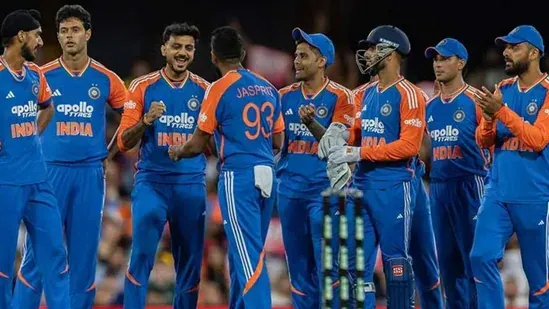
Indian cricketer Varun Chakravarthy has candidly spoken about the intense psychological pressure experienced during the Indian Premier League, revealing that he once struggled with panic attacks during the high-stakes tournament. His reflections shed light on the mental challenges faced by professional athletes competing in one of the world’s most commercially powerful cricket leagues. While the IPL offers extraordinary financial rewards and global recognition, it also subjects players to relentless scrutiny and expectations. Chakravarthy’s admission has sparked wider conversations about mental health in elite sport and the importance of psychological support systems within modern franchise cricket.
A Rare Insight Into the Psychological Side of Professional Cricket
For years, discussions surrounding the Indian Premier League have focused largely on financial investments, player auctions, and match performances. However, the recent comments from Varun Chakravarthy highlight an equally significant but often overlooked dimension: the mental well-being of athletes competing in high-pressure environments.
Chakravarthy explained that the intense expectations associated with the IPL can sometimes overwhelm players, particularly those who experience sudden rises in prominence. The combination of media scrutiny, passionate fan engagement, and performance pressure creates a demanding environment that few professional leagues can match.
The Weight of Expectations in a Billion-Rupee League
The Indian Premier League has evolved into a multibillion-rupee sporting enterprise, attracting some of the world’s most talented cricketers. With lucrative contracts and global broadcasting deals, the tournament represents a powerful intersection of sport and commerce.
Yet these financial stakes often amplify expectations placed on players. For athletes like Varun Chakravarthy, a single underwhelming performance can trigger intense criticism across television, social media, and digital platforms.
Such scrutiny can significantly affect a player’s mental equilibrium, particularly during long tournaments where recovery time between matches is limited.
Panic Attacks and the Reality of Competitive Pressure
In his candid reflections, Varun Chakravarthy described experiencing panic attacks during particularly stressful phases of his IPL journey. The sudden surge in attention following his rise as a mystery spinner brought expectations that proved difficult to manage initially.
Panic attacks are characterized by overwhelming anxiety, rapid heartbeat, and difficulty concentrating—symptoms that can be especially challenging for athletes who must perform under intense public scrutiny.
Chakravarthy’s willingness to speak openly about his experiences has resonated widely, encouraging broader discussions about mental health awareness within professional sports.
The Growing Importance of Mental Health Support in Cricket
In recent years, sports organizations worldwide have begun to recognize the importance of psychological well-being alongside physical fitness. Teams competing in the Indian Premier League increasingly employ sports psychologists and mental performance coaches to support players.
These professionals help athletes manage stress, develop resilience, and maintain focus during critical moments of competition. Experts believe that addressing mental health challenges proactively can significantly enhance both individual performance and team cohesion.
The conversation initiated by players like Varun Chakravarthy reflects a broader cultural shift toward transparency and support within the sporting community.
Lessons for the Future of Franchise Cricket
Chakravarthy’s experiences illustrate the complex realities of modern professional cricket. While tournaments such as the Indian Premier League generate enormous financial opportunities and global visibility, they also place athletes under extraordinary pressure.
For franchises, recognizing and addressing these pressures is becoming an essential aspect of responsible sports management. Investing in mental health resources not only benefits players but also contributes to sustained performance and organizational stability.
A Conversation That Could Transform the Sport
By speaking openly about his struggles, Varun Chakravarthy has helped bring attention to a critical issue within elite sports. His story serves as a reminder that behind the glamour and financial scale of the Indian Premier League are individuals navigating immense psychological demands.
As cricket continues to evolve as a global entertainment industry, the well-being of players may increasingly become a central topic in discussions about the future of the game.
Comments