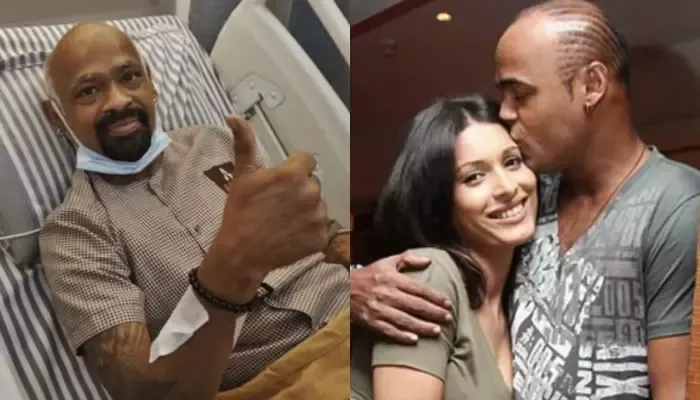
Conflicting reports about the health of former Indian cricketer Vinod Kambli have triggered widespread concern and debate. Claims suggesting a serious neurological condition, including a brain clot and elevated stroke risk, have circulated in recent weeks. However, his wife, Andrea Hewitt, has categorically dismissed these reports, calling them inaccurate and misleading. The episode highlights the growing challenge of misinformation in the digital era, particularly when it involves public figures. It also underscores broader concerns around athlete welfare, reputational risk, and the need for responsible communication in an increasingly fast-paced information ecosystem.
Rising Concerns Over Health Reports
Recent discussions surrounding Vinod Kambli’s health have drawn significant public attention. Reports indicated that the former cricketer had been dealing with a brain-related medical condition for nearly a year, including claims of a clot and a heightened risk of stroke. Additional accounts suggested mobility challenges, with references to assisted walking.
Such reports, often amplified through informal channels, quickly gained traction. In the absence of official medical disclosures, the narrative evolved into a matter of public concern, reflecting how rapidly health-related information about prominent individuals can circulate and influence perception.
Family Pushback Against Speculation
In response to these claims, Andrea Hewitt strongly refuted the narrative, asserting that the reports were exaggerated and lacked factual accuracy. Speaking publicly, she expressed disbelief at the extent of misinformation and emphasized that Kambli is stable and managing his health.
Her statement represents a direct attempt to correct the public record and mitigate the reputational and emotional impact of speculative reporting. In high-profile cases, such clarifications often serve as the most credible source of information, counterbalancing unverified claims.
The Economics of Reputation in Public Life
For former athletes, reputation remains a critical intangible asset. Even after retirement, public perception influences opportunities across commentary, endorsements, and brand collaborations. Inaccurate or sensationalized health reports can therefore carry financial implications.
Kambli’s situation illustrates how quickly narratives can shape market perception. In a media-driven environment, credibility becomes intertwined with economic prospects, making it essential for information to be both accurate and responsibly presented.
Athlete Welfare and Post-Retirement Realities
The broader context of this episode extends to athlete welfare beyond active competition. While contemporary sports structures offer improved financial security and medical support, many former players from earlier eras continue to face challenges related to health and stability.
This has prompted ongoing discussions about the need for institutional frameworks that provide long-term care, including medical assistance, insurance coverage, and financial planning support. The evolving sports economy increasingly recognizes the importance of safeguarding athletes’ well-being throughout their lives.
Media Responsibility in the Digital Age
The divergence between reported claims and family statements highlights the complexities of modern information dissemination. Digital platforms enable rapid sharing of news, but they also increase the risk of misinformation.
For journalists and content creators, maintaining accuracy and verifying sources is paramount. For audiences, critical evaluation of information has become equally important. The Kambli episode serves as a reminder that credibility is foundational to trust in both media and public discourse.
Conclusion: Navigating Truth in a Noisy Information Landscape
The ongoing discussion around Vinod Kambli’s health reflects more than a personal matter—it underscores systemic challenges in how information is created, shared, and consumed. As narratives evolve, the emphasis must remain on factual clarity and ethical reporting.
For stakeholders across media, sports, and public life, the lesson is clear: responsible communication is not merely a professional obligation but a cornerstone of trust in an increasingly interconnected world.
Comments