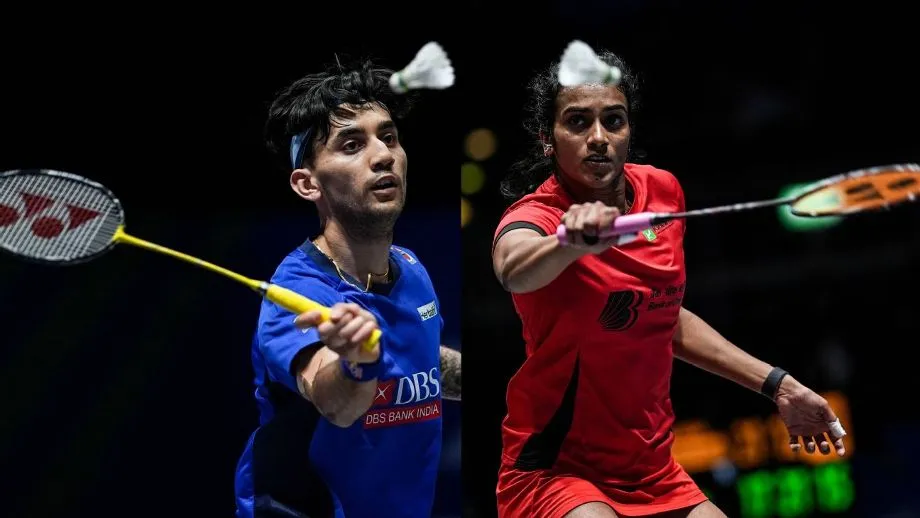
India’s sporting ecosystem is heading into one of its most consequential years in recent memory, with 2026 featuring a packed international calendar that includes the Commonwealth Games, the Asian Games, and two major world chess championship events. The intensity of competition has already begun to build during May, a month crowded with domestic and international tournaments across multiple disciplines. As fan engagement, commercial investment, and athlete expectations continue to rise, the year is shaping up as a major test of India’s sporting depth, infrastructure, and administrative preparedness. Analysts believe the coming months could significantly influence India’s long-term sporting ambitions and global competitive standing.
Indian Sport Faces a High-Pressure Competitive Year
India’s sporting landscape is entering a period of extraordinary activity as athletes, federations, broadcasters, and sponsors prepare for an unusually demanding 2026 calendar.
The year carries heightened significance because of the convergence of several marquee international events, most notably the Commonwealth Games and the Asian Games. In addition, the global chess circuit is expected to command major attention with two world championship competitions involving elite international players.
For India, the compressed sporting schedule presents both opportunity and pressure. Success across these events could strengthen the country’s position as an emerging global sporting force, while inconsistent performances may intensify scrutiny over athlete preparation and institutional planning.
May Calendar Signals the Start of a Demanding Season
The intensity of the sporting year is already visible in May, traditionally one of the busiest periods in India’s sports calendar.
Competitions across cricket, badminton, athletics, hockey, chess, shooting, wrestling, and tennis are unfolding simultaneously, creating a highly fragmented yet commercially valuable sporting environment. Fans are increasingly consuming sports beyond cricket, contributing to broader audience diversification and higher engagement across digital platforms.
Sports broadcasters and media companies are also benefiting from the expanded schedule, as year-round sporting content continues to attract advertising revenue and subscription growth.
Analysts believe India’s multi-sport visibility is reaching a new phase, where sustained audience interest is no longer limited to isolated global tournaments.
Commonwealth and Asian Games Carry Strategic Importance
The Commonwealth Games and the Asian Games remain critical benchmarks for India’s international sporting ambitions.
Historically, these events have served as indicators of the country’s developmental progress across Olympic and non-Olympic disciplines. Strong performances often translate into greater government support, enhanced corporate sponsorship, and increased grassroots participation.
India has steadily expanded its medal prospects in recent years through investment in infrastructure, athlete funding programs, sports science integration, and private academy development. However, the growing competitiveness of Asian and Commonwealth sporting nations means expectations are rising alongside investment.
The pressure to deliver podium finishes will likely be especially intense in athletics, wrestling, shooting, badminton, boxing, hockey, and weightlifting.
Chess Emerges as a Major Strategic Sport
Alongside traditional Olympic disciplines, chess is expected to command unprecedented national attention during 2026 due to the presence of two major world championship events.
India’s rapid rise in global chess has transformed the sport from a niche intellectual pursuit into a mainstream competitive discipline attracting sponsors, streaming audiences, and institutional investment.
The country’s emergence as a global chess powerhouse has been driven by a new generation of highly ranked grandmasters and growing grassroots participation. Analysts believe India’s success in chess also reflects broader changes in the country’s sporting culture, where analytical disciplines are increasingly receiving commercial recognition.
The world championship cycle is expected to further elevate the sport’s profile and strengthen India’s reputation within the international chess ecosystem.
Commercialization Reshaping India’s Sports Industry
The packed sporting calendar also highlights the rapid commercialization of Indian sport.
Over the past decade, increased media rights valuations, private league expansion, digital streaming growth, and corporate sponsorship activity have fundamentally transformed the economics of sports in India. What was once a largely cricket-dominated market is gradually evolving into a broader multi-sport industry.
This expansion has created new opportunities for athletes, coaches, sports-tech firms, nutrition companies, broadcasters, and performance analysts.
However, experts caution that rising commercial expectations must be matched by improvements in governance, scheduling coordination, athlete workload management, and grassroots infrastructure to ensure sustainable long-term growth.
Athlete Workload and Performance Management Become Critical
With multiple international events concentrated within a short time frame, athlete management is emerging as a major concern for federations and coaching staff.
Modern elite sport increasingly depends on careful scheduling, recovery science, injury prevention, and psychological conditioning. India’s ability to manage athlete workloads across a demanding competitive cycle could significantly influence medal outcomes.
High-performance planning, particularly in endurance-heavy and combat sports, will likely determine whether athletes peak at the right moments during the year.
The situation also places additional pressure on sports administrators to ensure logistical efficiency, financial support, and transparent selection systems.
A Defining Moment for India’s Sporting Ambitions
The scale and intensity of the 2026 sporting calendar may ultimately make it one of the most important years in the evolution of Indian sport.
The coming months will test not only athletes but also the institutional maturity of India’s sporting ecosystem. From coaching quality and sports science adoption to governance standards and commercial sustainability, nearly every aspect of the industry will face heightened scrutiny.
For fans, the year promises continuous action and expanded engagement across disciplines. For policymakers and federations, it represents an opportunity to demonstrate whether India’s sporting ambitions can translate into sustained international competitiveness.
As the season accelerates, one reality is becoming increasingly clear: Indian sport is no longer operating on the margins of the global conversation — it is steadily positioning itself at the center of it.
Comments