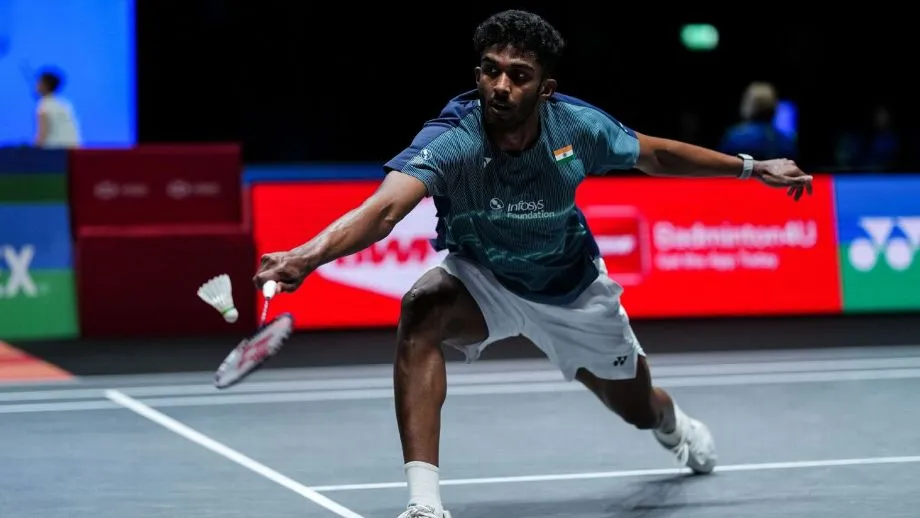
India’s fast-evolving sports ecosystem has become increasingly dynamic, making real-time updates essential for fans, stakeholders, and investors alike. Platforms such as ESPN have responded by offering comprehensive daily coverage, capturing news, scores, schedules, and analysis across disciplines. This shift reflects a broader transformation in sports consumption, where immediacy and accessibility drive engagement. As multiple sporting events unfold simultaneously, centralized digital hubs are becoming indispensable. Beyond fan convenience, such coverage enhances transparency, strengthens commercial value, and contributes to the growing monetization of India’s sports industry in an increasingly competitive global market.
The Acceleration of India’s Sporting Landscape
India’s sports sector has witnessed rapid expansion in recent years, with multiple disciplines gaining prominence alongside cricket. From badminton and hockey to athletics and football, the volume of competitive events has surged significantly.
In this high-frequency environment, staying updated has become increasingly complex. The emergence of structured daily updates, such as those curated by ESPN, reflects the need for streamlined information delivery. These platforms consolidate fragmented data into a unified format, enabling audiences to track developments efficiently.
The Role of Real-Time Information Platforms
Daily sports blogs and live-update platforms serve as critical infrastructure within the modern sports ecosystem. By offering continuous updates on scores, schedules, and results, they bridge the gap between live events and audience engagement.
For stakeholders—including fans, analysts, and sponsors—access to real-time information enhances decision-making and engagement. Media organizations like ESPN have capitalized on this demand by developing integrated digital products that combine reporting with live data and expert commentary.
Commercial Implications and Market Growth
The rise of real-time sports coverage has significant economic implications. Increased engagement drives higher advertising revenues, subscription growth, and brand partnerships. As digital consumption patterns evolve, sports content has become a valuable asset within the broader media and entertainment industry.
In India, where mobile penetration and internet accessibility continue to rise, the demand for instant updates is particularly strong. This creates opportunities for media companies to expand their reach while enhancing the monetization potential of sports content.
Enhancing Fan Engagement and Experience
From a consumer perspective, centralized sports updates improve accessibility and convenience. Fans no longer need to navigate multiple sources to stay informed; instead, they can rely on a single platform for comprehensive coverage.
This shift has also transformed how audiences interact with sports. Real-time updates, combined with expert insights, create a more immersive experience, fostering deeper engagement and loyalty.
The Future of Sports Media in India
Looking ahead, the integration of data analytics, artificial intelligence, and personalized content is expected to further reshape sports coverage. Platforms will increasingly tailor updates to individual preferences, enhancing user experience and retention.
Organizations like ESPN are likely to remain at the forefront of this evolution, leveraging technology to deliver faster, more accurate, and more engaging content.
Conclusion
The growing complexity of India’s sports landscape has made real-time information platforms indispensable. By consolidating news, scores, and analysis, entities such as ESPN are redefining how audiences consume sports. As the industry continues to expand, the ability to deliver timely, accurate, and engaging updates will remain a key driver of both audience satisfaction and commercial success.
Comments