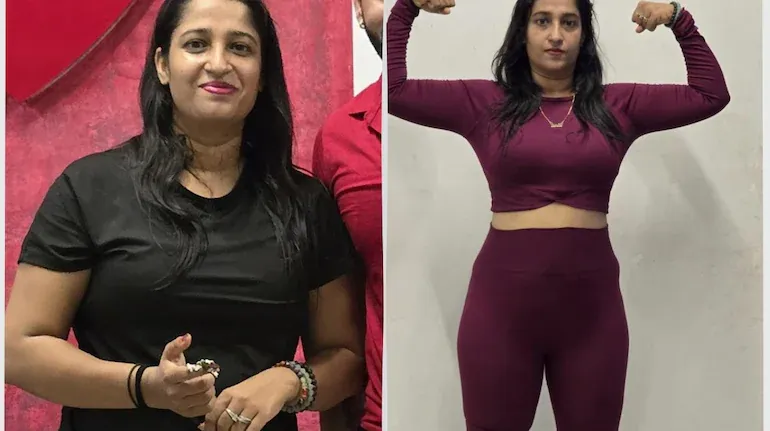
The story of Sakshi Shrivastava, a badminton coach, underscores the intersection of personal challenges and professional expectations in the sports ecosystem. Following motherhood, she experienced a significant weight gain that affected both her physical condition and professional perception. Facing scrutiny and questions about her credibility, she embarked on a journey of self-discipline and transformation. Her experience reflects broader realities in performance-driven professions, where physical fitness often shapes reputation and opportunity. Beyond personal resilience, her journey offers insights into the pressures faced by athletes and coaches, and the importance of structured recovery and long-term well-being in sports careers.
The Pressure of Performance in Professional Sport
In performance-oriented professions, particularly in sports, physical fitness is not merely a personal attribute—it is a professional currency. For Sakshi Shrivastava, this reality became starkly evident after she returned to work following motherhood.
Her weight increased by approximately 20 kilograms, reaching 79 kg, a change that had both physical and psychological implications. In an industry where perception often aligns with performance, the shift invited scrutiny not just of her fitness but of her professional credibility.
The Intersection of Motherhood and Career Expectations
Shrivastava’s experience reflects a broader challenge faced by women in competitive and physically demanding professions. The transition into motherhood often involves physiological changes and time constraints that can disrupt established routines.
However, the expectations within the sports ecosystem remain largely unchanged. Coaches and athletes are expected to maintain peak physical condition, irrespective of personal circumstances. This disconnect highlights the absence of structured support systems for professionals navigating life transitions.
Reputation Risk in a Performance-Driven Industry
In sports, reputation is closely tied to visible fitness and perceived discipline. Shrivastava noted that peers and observers questioned her ability to coach effectively, drawing a direct link between her physical condition and her professional competence.
From a business perspective, this underscores the concept of “reputation risk” in individual-driven professions. Just as companies are evaluated on performance metrics, individuals in sports are assessed on physical benchmarks that influence trust, authority, and career opportunities.
Discipline, Recovery, and Long-Term Sustainability
While the immediate narrative focuses on weight gain and external criticism, the underlying theme is one of resilience and structured recovery. Returning to peak fitness after a life-altering phase such as motherhood requires not only physical effort but also mental fortitude.
Modern sports science increasingly emphasizes sustainable fitness over short-term results. For professionals like Shrivastava, the journey back to form is not merely about regaining physical shape but about rebuilding confidence and re-establishing professional identity.
A Broader Reflection on Sports Culture
Shrivastava’s experience raises important questions about inclusivity and adaptability within the sports ecosystem. As the industry evolves, there is growing recognition of the need to support athletes and coaches through different life stages.
Incorporating flexible training schedules, mental health support, and post-maternity fitness programs could significantly enhance retention and performance. Such measures would not only benefit individuals but also strengthen the overall talent pool within the sport.
Conclusion: Redefining Strength Beyond Metrics
The journey of Sakshi Shrivastava is not solely about weight or fitness—it is about resilience in the face of professional scrutiny. Her experience highlights the need to redefine strength beyond numerical metrics on a weighing scale.
For the sports industry, the lesson is clear: sustainable success lies in balancing performance expectations with human realities. As conversations around inclusivity and well-being gain momentum, stories like hers serve as catalysts for meaningful change in how athletic excellence is perceived and supported.
Comments