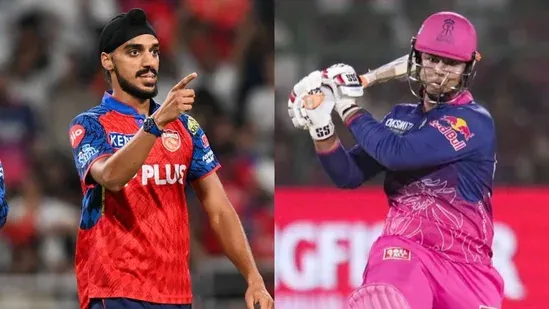
A compelling contest between emerging talent and established skill unfolded in the Indian Premier League 2026 as Arshdeep Singh took on teenage sensation Vaibhav Sooryavanshi at the New Chandigarh venue. Despite favorable bowling conditions and a calculated start from Arshdeep, Sooryavanshi quickly asserted dominance, underlining his growing reputation as a game-changer. The encounter highlighted the shifting dynamics of T20 cricket, where fearless young batters are redefining traditional matchups, influencing not just outcomes but also the broader commercial and strategic narratives of franchise-based leagues.
A Tactical Opening Exchange
The duel began with a clear strategic intent from Arshdeep Singh, who targeted precision and control against one of the tournament’s most explosive young batters. Delivering consecutive outswinging yorkers early in the over, he momentarily restricted Sooryavanshi’s scoring options.
On a surface offering assistance to bowlers, the approach appeared well-calibrated. For a brief period, it suggested that experience and planning might neutralize youthful aggression—a critical objective for teams aiming to contain high-impact players.
The Turning Point: Aggression Takes Over
Any sense of control, however, proved short-lived. Vaibhav Sooryavanshi responded with authority, quickly shifting the momentum in his favor. His ability to adapt from a defensive stance to an attacking mindset demonstrated a maturity beyond his years.
This phase of play underscored a defining characteristic of modern T20 cricket: the capacity of batters to recalibrate instantly. Even well-executed deliveries are no longer guarantees of sustained control, particularly against players who combine technical skill with fearless intent.
The Evolution of T20 Matchups
The encounter between Arshdeep and Sooryavanshi reflects a broader evolution in cricketing dynamics. Traditional hierarchies—where experienced bowlers dictated terms—are increasingly being challenged by a new generation of aggressive batters.
Data-driven strategies, enhanced training methods, and exposure to high-pressure environments have accelerated player development. As a result, young athletes are entering the professional arena with the confidence and capability to compete at elite levels from the outset.
Commercial and Strategic Implications
Such high-intensity individual battles significantly enhance the IPL’s commercial appeal. Moments of confrontation between established players and emerging stars drive viewership, social media engagement, and broadcast value.
For franchises, players like Sooryavanshi represent high-impact assets capable of influencing both match outcomes and brand positioning. Similarly, bowlers like Arshdeep remain critical to maintaining competitive balance, ensuring that contests remain unpredictable and engaging.
Conclusion: A Glimpse Into Cricket’s Future
The contest between Arshdeep Singh and Vaibhav Sooryavanshi was more than a brief on-field exchange—it was a snapshot of cricket’s evolving future. While experience continues to provide strategic depth, youthful audacity is reshaping the game’s tempo and expectations.
As the IPL progresses, such matchups will play a pivotal role in defining narratives, both sporting and commercial. For now, Sooryavanshi’s emphatic response serves as a reminder that in modern cricket, potential can translate into dominance with remarkable speed.
Comments