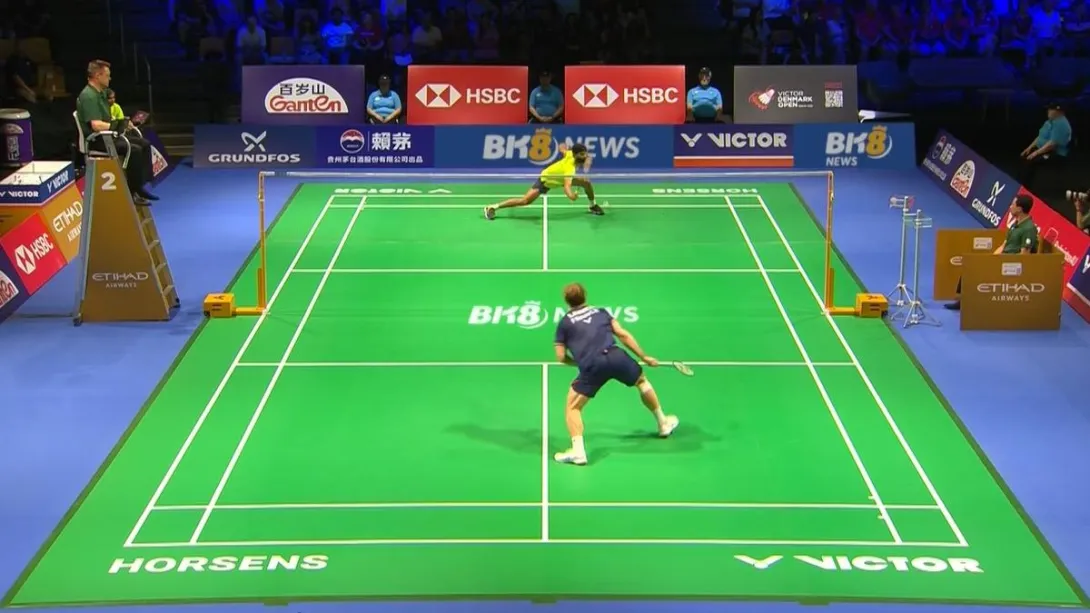
India’s pursuit of Thomas Cup glory concluded in disappointment after a decisive 0-3 loss to France in the semifinals, forcing the team to settle for a bronze medal. Despite entering the knockout stage with momentum and high expectations, the Indian squad struggled to match France’s tactical precision and composure under pressure. The defeat underscores both the progress India has made in global badminton and the challenges that remain in consistently competing at the highest level. While the result is a setback, it also reflects a broader trajectory of growth, resilience, and the increasing competitiveness of Indian badminton on the world stage.
Semifinal Exit Ends India’s Title Aspirations
India’s campaign at the prestigious Thomas Cup Finals came to an abrupt halt on Saturday as France delivered a commanding 3-0 victory in the semifinals. The loss not only dashed India’s hopes of reclaiming the coveted title but also highlighted the fine margins that separate the sport’s elite teams at the global level.
From the outset, France dictated the tempo, displaying superior coordination and tactical discipline. India, despite flashes of resilience, failed to gain a foothold in any of the three matches, ultimately conceding the tie without registering a single win.
France’s Tactical Superiority Proves Decisive
France’s triumph was built on a foundation of precision and composure. Their players executed well-defined strategies, capitalizing on critical moments and maintaining consistency throughout the contest. India, in contrast, appeared to struggle with unforced errors and an inability to convert key opportunities.
The European side’s ability to control rallies and dictate pace exposed gaps in India’s approach, particularly in high-pressure situations. This disparity proved decisive, as France sealed each match with clinical efficiency.
A Campaign Marked by Promise and Progress
Despite the semifinal disappointment, India’s overall performance in the tournament reflects a continuing upward trajectory. The team’s journey to the last four underscores its growing stature in international badminton, building on recent successes and demonstrating depth across singles and doubles formats.
The bronze medal finish, while falling short of expectations, is indicative of a squad that remains competitive against the world’s best. It also reinforces India’s position as a formidable force capable of challenging traditional powerhouses.
Strategic Lessons for the Future
The loss to France offers critical insights for India’s long-term development. Enhancing consistency, minimizing errors, and strengthening mental resilience in high-stakes encounters will be essential for future success. Additionally, refining doubles combinations and tactical adaptability could further elevate the team’s performance.
From a broader perspective, sustained investment in training infrastructure, sports science, and grassroots development will play a pivotal role in bridging the gap with top-tier nations.
Looking Ahead: Building Toward the Next Cycle
While the semifinal defeat is a setback, it should not overshadow the broader narrative of progress in Indian badminton. The Thomas Cup campaign provides valuable experience and a foundation upon which future success can be built.
As the team regroups and recalibrates, the focus will shift toward upcoming international competitions, with the ultimate goal of converting potential into podium-topping performances. For now, the bronze medal stands as both a reminder of missed opportunity and a testament to India’s growing influence on the global badminton stage.
Comments