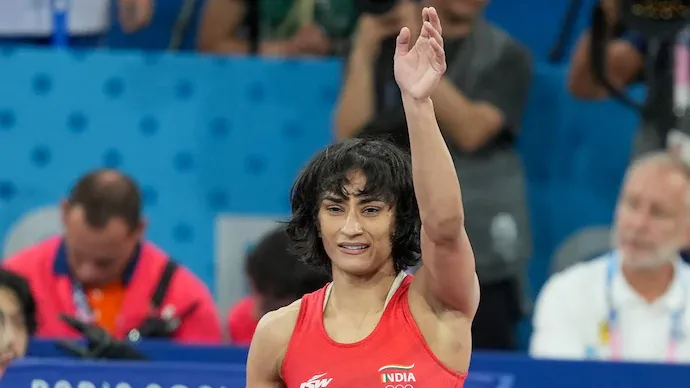
The return of Vinesh Phogat to competitive wrestling has evolved into a significant institutional conflict with the Wrestling Federation of India, intensifying scrutiny over governance standards and athlete-management practices within Indian sport. Ahead of the National Open Ranking Tournament in Gonda, Phogat publicly challenged a showcause notice issued by the federation, accusing officials of misrepresenting the timeline surrounding her return and questioning the interpretation of her eligibility status. The dispute arrives at a sensitive moment for Indian wrestling, a sport already navigating administrative turbulence and reputational strain. Analysts believe the standoff could influence broader conversations around transparency, athlete rights, and institutional accountability in Indian sports administration.
Vinesh Phogat’s Return Overshadowed by Administrative Conflict
The anticipated comeback of Vinesh Phogat was expected to mark a major sporting moment for Indian wrestling. Instead, it has become the centre of a widening dispute involving the Wrestling Federation of India and one of the country’s most recognisable athletes.
Just days before the National Open Ranking Tournament in Gonda, the federation issued a showcause notice linked to questions surrounding Phogat’s eligibility and the timeline of her return to active competition. In response, the wrestler publicly rejected the federation’s interpretation, asserting that the sequence of events had been inaccurately represented.
The disagreement quickly escalated into a broader debate concerning administrative procedure, communication standards, and athlete treatment within national sporting bodies.
Governance Questions Return to the Spotlight
The latest confrontation arrives during a period of continued scrutiny for the Wrestling Federation of India, which has faced repeated criticism in recent years over governance-related controversies and institutional transparency.
Sports governance experts note that disputes involving elite athletes often carry consequences extending beyond competition eligibility. Such conflicts can affect public trust, sponsorship confidence, and the overall credibility of national federations tasked with managing high-performance sports ecosystems.
In Phogat’s case, the dispute has amplified questions regarding how governing bodies communicate regulatory decisions and interpret athlete participation rules during comeback phases.
Analysts argue that transparent procedural frameworks are increasingly essential in modern sport, particularly as athletes become more vocal and legally aware regarding their professional rights and career management.
Athlete Influence Reshaping Sports Administration
As one of India’s most prominent wrestlers, Vinesh Phogat occupies a unique position within the country’s sporting landscape. Her international achievements and public visibility have made her a powerful voice in conversations surrounding athlete welfare and institutional accountability.
The public nature of her response to the federation reflects a broader transformation occurring across global sport, where elite athletes are increasingly challenging administrative decisions through direct communication and public engagement.
This shift has altered the traditional power balance between federations and athletes, forcing sports bodies to operate with greater transparency and responsiveness.
Industry observers note that athlete-led scrutiny can significantly influence the reputational standing of federations, particularly in sports already dealing with governance instability.
Tournament Preparations Clouded by Uncertainty
The timing of the dispute has added further tension ahead of the National Open Ranking Tournament in Gonda, an event carrying substantial competitive importance for wrestlers seeking national selection and future opportunities.
Instead of focusing exclusively on competition preparation, attention has shifted toward administrative disagreements and procedural interpretation. Such distractions can impact not only individual athletes but also the broader competitive environment surrounding major domestic events.
For Indian wrestling, which remains heavily dependent on public support and institutional credibility, prolonged governance disputes risk overshadowing sporting achievements and weakening confidence in the system’s operational integrity.
Broader Implications for Indian Sports Governance
The conflict between Vinesh Phogat and the Wrestling Federation of India reflects larger structural tensions present across several Indian sporting institutions.
As Indian sport becomes increasingly commercialised and globally visible, governing bodies are facing growing pressure to modernise administrative processes, improve athlete engagement, and strengthen dispute-resolution mechanisms.
Experts believe the current episode could become a defining case study in how Indian federations manage athlete relations during periods of regulatory ambiguity and public scrutiny.
For Phogat, the issue extends beyond eligibility; it concerns professional credibility and institutional fairness. For the federation, the controversy represents another major test of governance capacity at a time when accountability and transparency are under intense national focus.
Comments