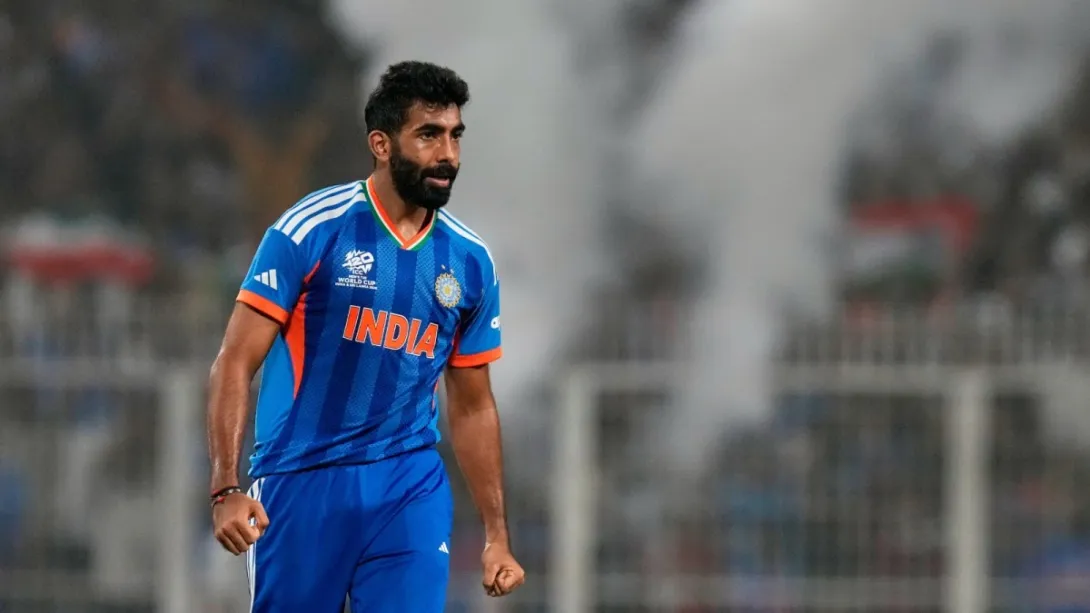
India has unveiled a strong squad for the men's T20 cricket competition at the 2026 Asian Games, signaling its intent to pursue gold with one of its most competitive line-ups. The selection marks the return of premier fast bowler Jasprit Bumrah after being rested for upcoming overseas T20 assignments, while newly appointed captain Shreyas Iyer will lead the side in Japan. The squad blends established international stars with emerging talent, including teenage prodigy Vaibhav Sooryavanshi. The announcement reflects India's growing emphasis on maintaining depth across formats while carefully managing player workloads ahead of major international tournaments, including the 2027 ODI World Cup.
India Assembles Star-Studded Squad for Asian Games Cricket Campaign
India has opted for a full-strength approach to the men's T20 tournament at the 2026 Asian Games, assembling a squad packed with international experience and promising young talent as the nation targets another major achievement on the continental stage.
The selection underscores the importance being placed on the event by Indian cricket administrators, who have chosen several established performers despite an increasingly crowded international calendar. The tournament, scheduled to take place in Japan between September and October, is expected to attract significant attention as Asian cricket's leading nations compete for regional supremacy.
Among the most notable inclusions is pace spearhead Jasprit Bumrah, whose return significantly strengthens India's bowling attack.
Bumrah's Inclusion Highlights Strategic Planning
Bumrah's selection comes after he was rested from India's upcoming T20 assignments in Ireland and England. Team management has been carefully balancing player workloads as preparations gradually shift toward the 2027 ODI World Cup.
The decision to include the fast-bowling star for the Asian Games suggests selectors view the tournament as an important competitive opportunity rather than a developmental event.
Widely regarded as one of the most impactful bowlers in world cricket, Bumrah's presence provides India with both experience and leadership within the bowling unit. His ability to deliver under pressure could prove decisive in knockout matches where margins are often extremely narrow.
His inclusion also reflects a broader strategy aimed at ensuring India's strongest players gain exposure to high-pressure international competitions ahead of future global events.
Shreyas Iyer Begins New Leadership Era
Another major talking point surrounding the squad announcement is the appointment of Shreyas Iyer as captain.
The leadership role marks a significant milestone in Iyer's career and signals confidence in his ability to guide India's T20 ambitions. Known for his composure and tactical awareness, Iyer faces the challenge of leading a squad that combines experienced internationals with emerging prospects.
Tilak Varma has been named vice-captain, further highlighting the team's focus on nurturing future leadership options while maintaining competitive stability.
The appointments reflect a broader transition within India's T20 setup as selectors continue evaluating combinations capable of delivering success across multiple global tournaments.
Youth and Experience Create Balanced Squad
One of the defining characteristics of the selected squad is its blend of established performers and rising stars.
Teenage sensation Vaibhav Sooryavanshi has earned a place in the team, continuing his rapid ascent through Indian cricket. At just 15 years old, he represents the next generation of talent emerging from the country's highly competitive cricket ecosystem.
His inclusion alongside established names such as Sanju Samson, Abhishek Sharma and Ishan Kishan provides India with considerable flexibility in the batting department.
Selectors appear focused on creating a balanced unit capable of adapting to different match situations while also offering opportunities for promising young players to gain valuable international experience.
Scheduling Challenges Add Complexity
The Asian Games cricket tournament arrives during a particularly demanding period for Indian cricket.
The event is scheduled to overlap with India's ODI series against the West Indies, creating logistical and selection challenges for team management. Shortly after the conclusion of the continental competition, India is also set to begin a five-match T20 series.
Such scheduling complexities have become increasingly common in modern cricket as international commitments, franchise leagues and multi-sport events compete for space on an already congested calendar.
The ability to field competitive squads across multiple assignments has therefore become a crucial measure of a nation's cricketing depth.
Asian Games Offer More Than Just Medals
Beyond the pursuit of gold, the Asian Games present an opportunity for India to evaluate combinations, strengthen leadership structures and provide high-level exposure to emerging talent.
Success in Japan would reinforce India's position as one of the dominant forces in Asian cricket, but the broader value of the tournament extends beyond the medal table.
For selectors and team management, the competition serves as another important step in building a sustainable pipeline of talent capable of supporting India's ambitions across all formats of the game.
With a powerful squad now confirmed, expectations will be high as India prepares to launch its campaign on one of Asia's biggest sporting stages. The blend of proven performers, emerging stars and strategic leadership choices suggests the team is aiming not only for immediate success but also for long-term competitive excellence.
Comments