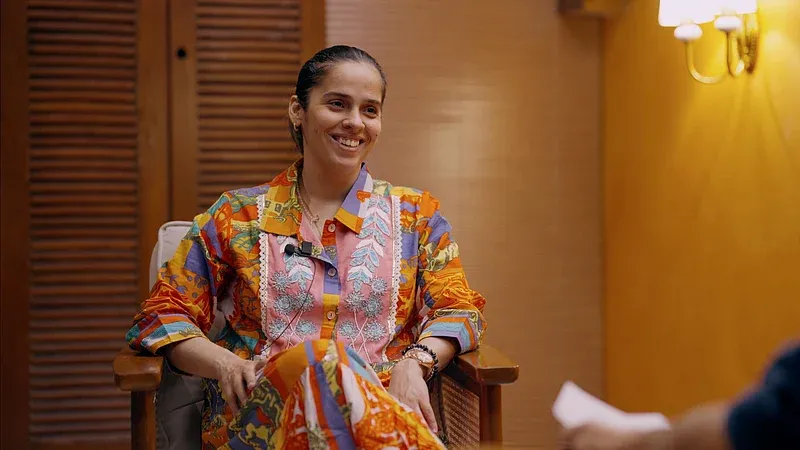
India’s badminton landscape has been profoundly shaped by the rivalry between Saina Nehwal and PV Sindhu, a dynamic that not only elevated individual performance but also transformed the sport’s national profile. In a recent reflection, Nehwal acknowledged how their competitive encounters pushed both athletes to higher standards of excellence. Their rivalry, marked by resilience, tactical depth, and attacking prowess, contributed to a golden era for Indian badminton. Beyond personal achievements, their journey underscores how internal competition within a system can drive global competitiveness, enhance visibility, and create long-term value for the sport’s ecosystem.
A Rivalry That Defined an Era
The evolution of Indian badminton over the past decade cannot be understood without examining the competitive dynamic between Saina Nehwal and P. V. Sindhu. Their rivalry, built on mutual respect and high-performance consistency, played a pivotal role in elevating India’s standing in global badminton.
Speaking during an interaction on the I.I.M.U.N. platform, Nehwal reflected on how their head-to-head contests fostered growth. She emphasized that both players possessed similar strengths, including the ability to sustain long rallies and execute powerful attacking strokes, making their encounters both physically demanding and tactically rich.
Competitive Synergy and Performance Enhancement
In elite sport, rivalry often acts as a catalyst for excellence. Nehwal’s acknowledgment highlights a key principle in performance economics: competition within a system can enhance output quality. By consistently facing a formidable opponent, both players were compelled to refine their skills, improve endurance, and expand their tactical repertoire.
This “competitive synergy” not only benefited the athletes individually but also raised the overall standard of Indian badminton. Their matches became benchmarks of intensity and skill, inspiring upcoming players and setting new expectations for performance.
Building a Golden Era for Indian Badminton
The Nehwal-Sindhu rivalry coincided with a period of unprecedented success for Indian badminton on the global stage. Their achievements in major international tournaments brought visibility, credibility, and commercial interest to the sport.
From a business perspective, such rivalries play a critical role in building a sport’s brand value. Increased viewership, sponsorship deals, and institutional support often follow sustained success and compelling narratives. In this context, the duo’s rivalry contributed significantly to the sport’s growth trajectory in India.
Shared Strengths and Mental Resilience
Nehwal highlighted that both players excelled in long rallies and possessed the ability to perform under pressure. These attributes are hallmarks of elite athletes, particularly in a sport as physically and mentally demanding as badminton.
Their ability to “pull through” difficult matches reflects not only technical proficiency but also psychological resilience. In high-stakes competitions, mental strength often serves as the निर्ण factor, and both players consistently demonstrated this quality.
Lessons for the Broader Sports Ecosystem
The Nehwal-Sindhu dynamic offers valuable insights for sports administrators and policymakers. Encouraging healthy competition within national systems can accelerate talent development and improve international performance.
Investments in training infrastructure, coaching, and competitive exposure are essential, but fostering internal rivalries can amplify these efforts. When athletes push each other to excel, the entire ecosystem benefits, creating a virtuous cycle of performance and growth.
Conclusion: Rivalry as a Driver of Excellence
Saina Nehwal’s reflection on her rivalry with PV Sindhu underscores the transformative power of competition in sport. Their journey illustrates how mutual challenge, rather than conflict, can drive sustained excellence.
For Indian badminton, this rivalry was more than a series of matches—it was a defining force that reshaped the sport’s identity. As the next generation of players emerges, the legacy of this competitive partnership will continue to influence the standards and aspirations of Indian sport.
Comments